
Media Breaks, Nervous Systems, & Mindfully Choosing What You Take In
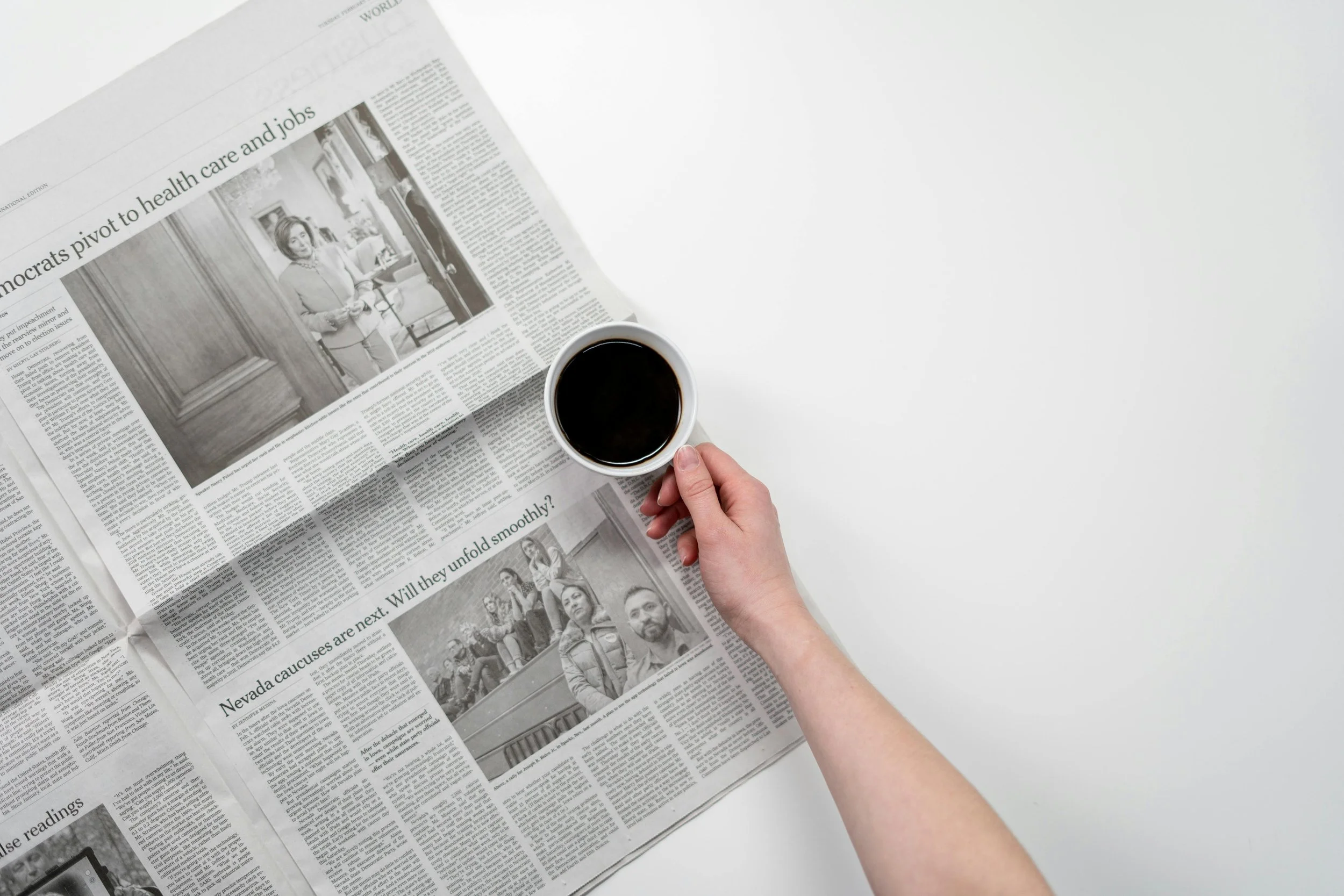
We oftentimes hear folks express guilt, shame, or even embarrassment from feeling the need to take a break from the news and media, especially in highly activated times like now.
There is a particular kind of exhaustion that comes from being constantly plugged into the news. The fatigue and flooding can result from carrying images, stories, and grief that your nervous system did not necessarily consent to holding.
As we are living in a time of constant exposure to violence, injustice, cruelty, and collective loss, our phones and access to media make it possible to witness everything, everywhere, all at once. While staying informed can be a form of care and solidarity, unfiltered, nonstop consumption is not neutral for your brain or body.
So let’s start here: You are not a bad person if you don’t want to check the news all the time.
Your Nervous System Wasn’t Built for 24/7 Tragedy
Human nervous systems evolved for small communities and localized threats. We were designed to have our fight, flight, or freeze reactions activated in response to lions, not to metabolize global catastrophe in real time, all day, every day.
When you scroll through graphic videos, breaking news alerts, and moral urgency, your brain often reads it as immediate danger. Even if you’re sitting safely on your couch, your body can feel like it’s in a state of chronic emergency. This can show up as:
Heightened anxiety or irritability
Numbness or shutdown
Doomscrolling that feels compulsive
Difficulty sleeping or concentrating
A constant sense that you’re not doing enough
And so much more.
None of these feelings or thoughts make you uncaring - they simply reflect the natural limit for human capacity to hold heavy things. They are also not imagined - research shows that there are indeed costs to consumption on our mental health. Our team at Upstream recently had a conversation about all of this, and we came up with some strategies to balance staying informed and engaged with honoring well-being.
Activism, Guilt, and the Myth of Constant Engagement
A lot of media content is designed to mobilize people, which is absolutely important. However, at times, it can also blur into shame-based messaging that assumes everyone is disengaged unless they are online and reacting at 110%, constantly.
One strategy to manage this, is to remember that media posts encouraging activist efforts are meant to capture a wide range of folks, especially folks who are not necessarily you! Take a minute to reflect on what efforts you are already engaged in - you might already be doing enough, so don't guilt yourself if you are! At the same time, if you notice that you could be more engaged or taking more action, you'll know it, and you can use that post as a motivator.
Just remember that not every post is for you (this goes for all topics/content you might see!). Not every call-out applies to your life, capacity, or context. And, at the end of the day, constant consumption is not the same as meaningful action.
Choosing When to Log Off Is Not Moral Failure
We often forget how recent the 24-hour news cycle is. There was a time when the world did not expect us to be available to learn about local, national, and global events at every minute.
Closing out the news, your social media, and other apps during old “standard hours” can help with limiting consumption and reducing the amount of distress that’s activated. It used to be the case that TV news was available from morning hours to evening hours, but not beyond that. It is possible to make a choice to stop consuming news after 8pm and not feel guilty.
You are allowed to have boundaries with information. You are allowed to sleep. You are allowed to not carry the world in your body at all hours.
Setting Intentional Guidelines for What You Watch
One of the most powerful and often overlooked skills is pre-deciding what you will and won’t take in. At Upstream Mental Health, we seriously believe in the power of prevention and proactive planning over just fixing the problem once it already exists. You can apply a similar principle in your life as it relates to media consumption, and this is something we often recommend in therapy.
We recommend engaging in self-reflection or an explorative discussion with your trusted community about what you are going to choose to watch and engage with (especially when it comes to graphic/violent videos or content online) in advance as a preventative measure. This will not only reduce the amount of decision making gymnastics you have to do in the moment when faced with something, but it will also help temper the amount of shock, rage, and grief you feel every time you open social media. You have agency to set your own guidelines and ground rules for consumption.
This might look like:
Muting graphic content or certain keywords
Choosing specific times of day to check the news
Following educators and organizers who share context, not just crisis
Deciding not to watch violent videos directly
Having a “no news after X pm” boundary
When these strategies and boundaries are implemented in thoughtful ways, it is not avoidance, but rather strategic care. We all need to be in this for the long run, and burning ourselves out quickly will never get us to liberation.
Being Informed Without Being Consumed
Despite how it often feels, it is possible to stay informed without being completely emotionally flooded. It is also possible to care deeply without being constantly activated. It is possible to participate in justice work without fully sacrificing your mental health.
Taking a media break does not automatically constitute disengagement; for many people, it’s what makes sustainable engagement possible.
If you notice that news consumption is leaving you feeling hopeless, hypervigilant, or detached, it might be a sign to recalibrate - not in order to withdraw from the world, but to change how you’re in relationship with it.
A Gentle (But Needed) Reframe
You are not required to witness everything to be a good person.
You are not required to be online to be engaged.
You are not required to be in a constant state of outrage to be ethical.
Your nervous system matters. Your capacity matters. Your limits are real.
When thoughtful and reflective of our own identities, positionality, privileges, and oppressions, choosing how you take in the world does not automatically mean apathy. In fact, it can mean agency and a choice to use your energy in ways that are sustainable, effective, and in the lane where you can make the most change.
If you feel like the exhaustion of the world has been a particular weight on you, we encourage you to reach out to our team to set up an appointment here. Our team is not immune to the heaviness of what’s going on around us, but we do have some practice in sitting with complexity, providing support, and holding space for it.